About Us
Native Performing Arts Network (formerly Native Theater Project*) develops and collaboratively produces plays by Native playwrights. NPAN partners with tribal nations, community organizations, and other theaters to offer career development, leadership programs, and performing arts education programs. NPAN’s first production was the world premiere of Diné Nishłį (i am a sacred being) Or, A Boarding School Play, which performed at Bag&Baggage’s Vault Theater in Hillsboro, Oregon, as well as at the Native American Youth and Family Center (NAYA) in Portland’s Cully neighborhood, and at Portland State University's Native American Student and Community Center (NASCC).
*NTP changed to Native Performing Arts Network (NPAN), which more accurately reflects the full scope of the organization’s aims and work.
Mission
Native Performing Arts Network seeks to increase the visibility of Native stories and people by supporting Native artists with community, career, and personal growth opportunities, and by connecting theaters with Native creative leaders.
We do this by centering Native writers and creators, working collaboratively with sovereign tribal nations and urban Native communities, and fostering intergenerational connections among Native artists.
Our process begins in Native-centric spaces, then widens to broader audiences.
Vision
Native artists lead Native stories, and Native stories are everywhere.
The vision that guides Native Performing Arts Network reflects both our long-term aspirations and our commitment to systemic change within the American theater ecosystem. It articulates the future we are working to build, a future where Native leadership, creativity, and cultural knowledge shape the stories told on stages across the nation. This vision serves as the foundation for all strategic priorities and anchors our efforts to expand representation, strengthen sovereignty in storytelling, and ensure that Native voices are visible, valued, and influential at every level of the performing arts field.
Values
We believe in the healing power of storytelling, and in the role that accurate, diverse, contemporary representation has in healing Native communities and contributing to better lives for Native youth and all Native people. We also value individual healing of ourselves — as artists, as administrators, as humans — as well as community healing. We value the studies of IllumiNative and others, such as Reclaiming Native Truth, which indicate that accurate representation is perhaps the single biggest factor that can make a difference in addressing the rate of Native suicide, improving health outcomes, reducing education disparities, and addressing so many of the issues that plague Native communities.
We believe our role is to advocate for and support as many Native voices as possible.
All experiences of being Native need a place on our stages and in the pantheon of stories we tell and that our youth hear.
We believe in amplifying and augmenting the work already being done by Native theaters around the country, building community and connections, attracting additional resources, and expanding capacity, in recognition that only 0.32% of philanthropic dollars go to Native nonprofits.
We believe the American theater is falling short in creating a healthy environment capable of supporting Natives from all backgrounds.
While we reject Oppression Olympics, we recognize that some Native communities are closer to the ongoing effects of colonial trauma, intergenerational trauma, the impacts of man camps, poisoned water from uranium mining, chronic unemployment, health outcomes more representative of third-world nations, boarding school trauma, police violence, and more. We purposely seek to craft programs and build partnerships that support the full diversity of experiences across Indian Country.
We believe true allies are committed to investing in Native artists and Native communities, and we prioritize work with partners who commit to long-term relationships with multiple Native artists. We reject exceptionalism and bear witness to the harm done by “allies” who pit Native artists against each other or support only one Native artist.
We hope that lateral violence will decrease as more and more Native experiences are accurately represented — in their full diversity, which must specifically include Afro-Indigenous/Black Native voices.
We believe there is real danger to our communities and to Native people when too few stories of being Native are told. It breeds a scarcity mentality. Instead of celebrating an individual success, we feel disappointment and bitterness, wishing a story that better represented our individual experience of being Native were the one being celebrated. We begin to tear each other down instead of celebrating one another.
We reject this scarcity mindset.
Our Choices and Actions
We deliberately work harder to include Natives whose lived experiences include growing up on reservations, recognizing that resources are most scarce for some (not all) Natives on reservations.
We recognize the deep trauma in our communities and that the ongoing effects of colonial violence impact how we as individual Native people move through the world and interact with one another.
We support artists with a good mind who are committed to individual and collective healing, even if individual artists disagree with our organization’s positions. We do not support artists who deliberately seek to build themselves up by tearing others down.
We support sovereignty and believe that non-Native people have no business policing Native identity.
We support artists whose lived, diverse experiences and artistic sensibilities add to the canon of American theater in ways that decrease the underrepresentation of Native stories.
We acknowledge that colorism and anti-Blackness infect our communities, and we deliberately seek and include Afro-Indigenous/Black Native voices. We work toward eradicating anti-Blackness, celebrating Black joy, and promoting racial healing.
We prioritize Native artists from tribes whose traditional lands are located in what is colonially known as the United States, even while recognizing that U.S. borders cut through Native territories, from the Haudenosaunee in the Northeast to the Tohono O’odham in the Southwest.
About Identity Policing
To be explicitly clear, it is not okay for non-Natives to claim Indigeneity, and we hope that people stop doing that. But even while we recognize the harm done by Iron Eyes Cody, by Grey Owl, and by non-Native people claiming to represent the Native experience, we feel that the greater harm is lateral violence — making our Native youth and our Native people feel like they are not enough, that they are not worthy. We refuse to participate in anything that adds a burden to Native youth. We choose instead to support so many different Native stories, representing so many experiences of being Native, that every Native person sees themselves in the stories we tell.
Our Commitment
Native Performing Arts Network is committed to championing Native stories and Native storytellers until all Natives feel represented.
We remain deeply committed to elevating Native voices and ensuring that Native stories are seen, heard, and valued across every corner of the American theater landscape. This commitment is rooted in our responsibility to our communities and in the belief that Indigenous storytelling carries knowledge, truth, and creative brilliance that the field urgently needs. Through sustained collaboration with Native artists, youth, families, and cultural leaders, and through dedicated advocacy within institutions that shape national narratives, we are working to transform the theater industry from the inside out.
Our goal is not simply to increase representation, but to shift the foundation of the field so that Native leadership, cultural integrity, and storytelling sovereignty are recognized as essential components of American theater. By building strong partnerships, supporting new creative work, and championing Indigenous-led processes, we are creating pathways for Native stories to flourish on their own terms. This work ensures that future generations inherit a theater ecosystem where Native voices are not an exception, but a vital and celebrated part of the artistic landscape.
To our Native relatives from all over Indian Country: There is a place for you.
Your stories and experiences matter. Your voices matter. And we at Native Performing Arts Network commit to constantly do better — so that you know in your heart that you are loved, valued, and necessary to your community and throughout Turtle Island.
We give thanks for all our relations.
Native Performing Arts Network (NPAN) enters 2025–2028 with a clear mission to strengthen Native representation, leadership, and storytelling within the American theater ecosystem. Across the country, Native artists continue to face invisibility, misrepresentation, and systemic barriers that restrict access to creative careers and limit the presence of contemporary Native stories on stage. At the same time, Native communities, youths, artists, educators, and cultural leaders are calling for spaces where their stories can be created, developed, and shared with cultural integrity and sovereignty. NPAN steps into this moment to help build the national infrastructure necessary for Native stories and Native creators to thrive.
NPAN was created in direct response to this need.
As a Native-led national network, we strengthen the ecosystem of Native artists and Native theaters; expand culturally grounded arts education for Native youth; invest in Native creative leadership; and partner with institutions committed to producing Native work with cultural competency and accountability. Our approach is rooted in sovereignty, community collaboration, and the belief that Native stories must be nurtured first in Native spaces before reaching broader audiences.
strategic plan
Our Future
Board of Directors
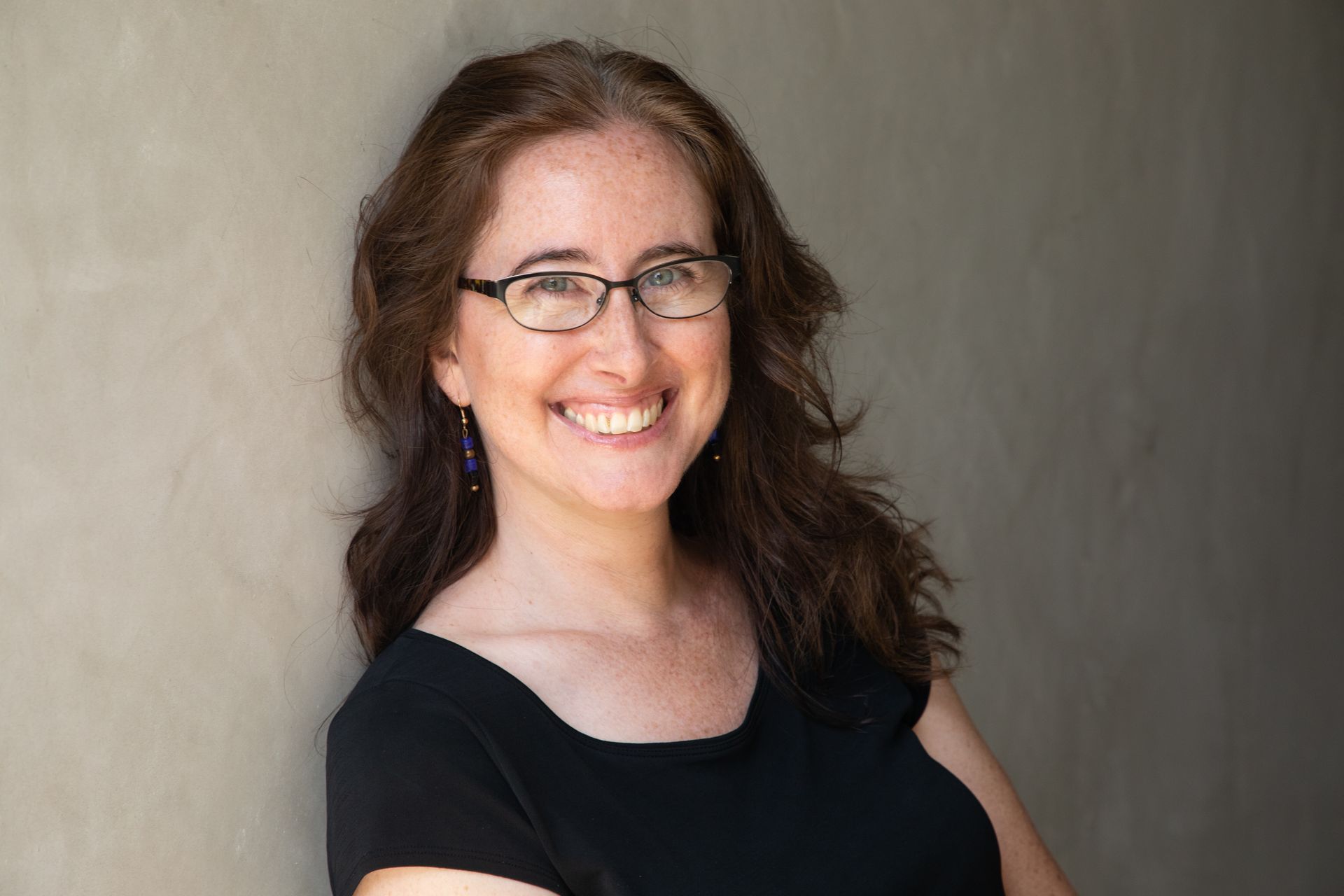
Jeanette Harrison (Onondaga)
Jeanette is an actor, director, writer, educator and creative producer who co-founded Alternative Theater Ensemble (AlterTheater) and is the former artistic director of Artists Repertory Theatre. Her extensive stage and screen credits include associate directing the Broadway premiere of The Thanksgiving Play by Larissa FastHorse with director Rachel Chavkin. Jeanette is the creative director of Native Performing Arts Network, dedicated to increasing the visibility of Native stories and Native people by supporting Native artists with community, career, and personal growth opportunities, and by connecting theaters with Native creative leaders.

Aaron Greenberg (Tlingit, Raven/Sockeye)
Aaron is a Tlingit leader from the Raven/Sockeye clan, born and raised in Alaska, with a career grounded in community engagement, workforce development, and Tribal advocacy. He currently serves on the boards of Native Performing Arts Network and Envision Kalama, and contributes to the Carly School Project Committee and the Battle Ground High School Advisory Committee. Most recently, Aaron served as a Tribal Engagement Specialist with Tlingit Haida Tribal Business Corporation, strengthening relationships between Tribal communities and organizational partners. Earlier in his career, he worked in regional Human Resources, supporting inclusive hiring, employee development, and organizational culture. Aaron is committed to uplifting Indigenous voices, advancing Native leadership, and building pathways that connect community, culture, and opportunity.
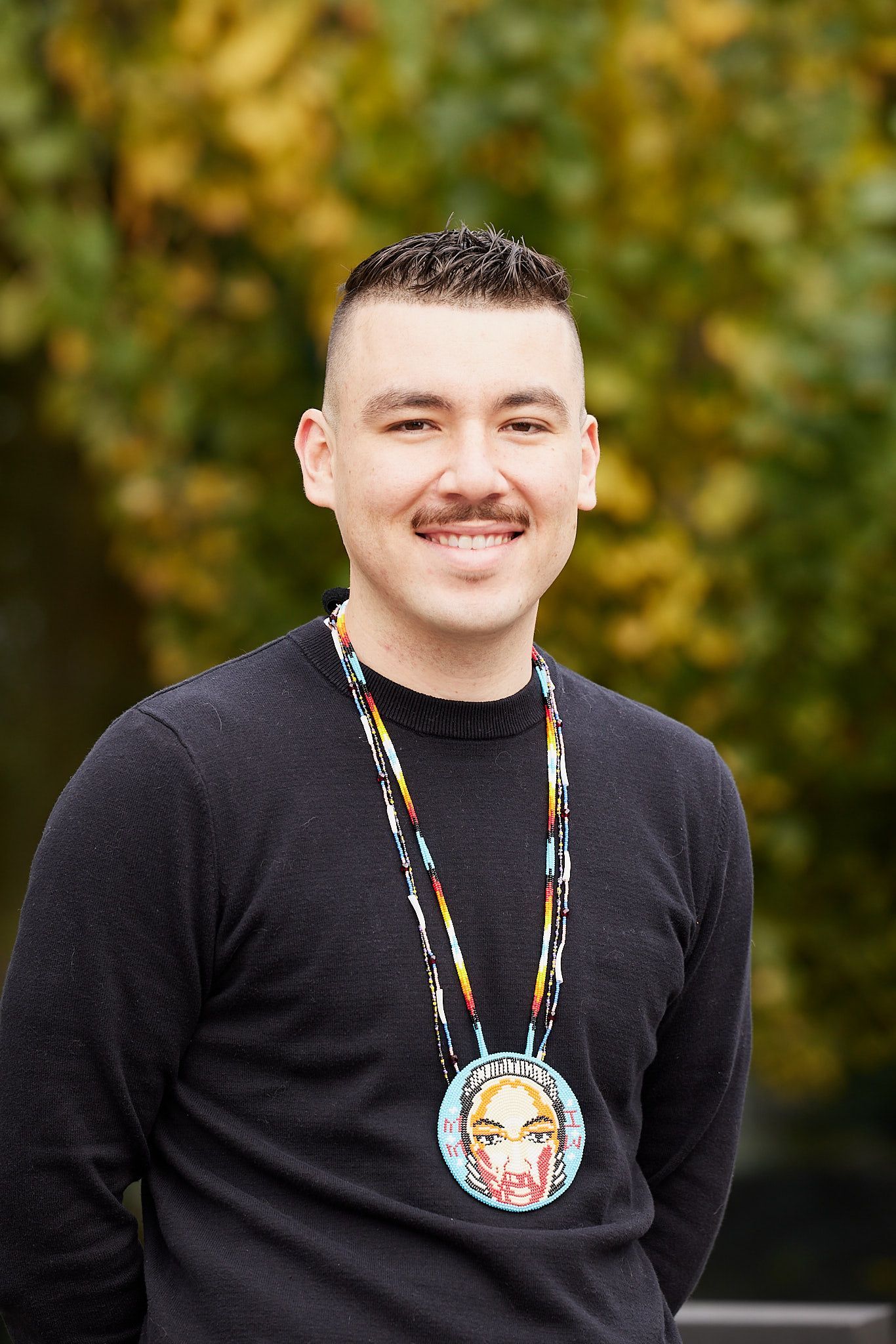
Stone Hudson (Mandan, Hidatsa, Arikara Nation)
Stone aims to use his lived experience to make impactful and lasting change within his community. After unexpectedly starting his career in government and policy with Congressman Earl Blumenauer and later, with the City of Portland. In these spaces, Stone refined his role to focus on tribal relations and community engagement. He has spent much of his time focusing on creating solutions that address some of the most pressing issues for tribes and the Native community. Prior to joining Meyer, Stone served as a tutor and community mentor for youth at the Many Nations Academy at the Native American Youth and Family Center. He recently served as Chairman of the board for Underscore News, a nonprofit publication focused on reporting issues within Native communities and also serves on the board for Friends of Tryon Creek. Stone joined Meyer Memorial Trust in November 2022.
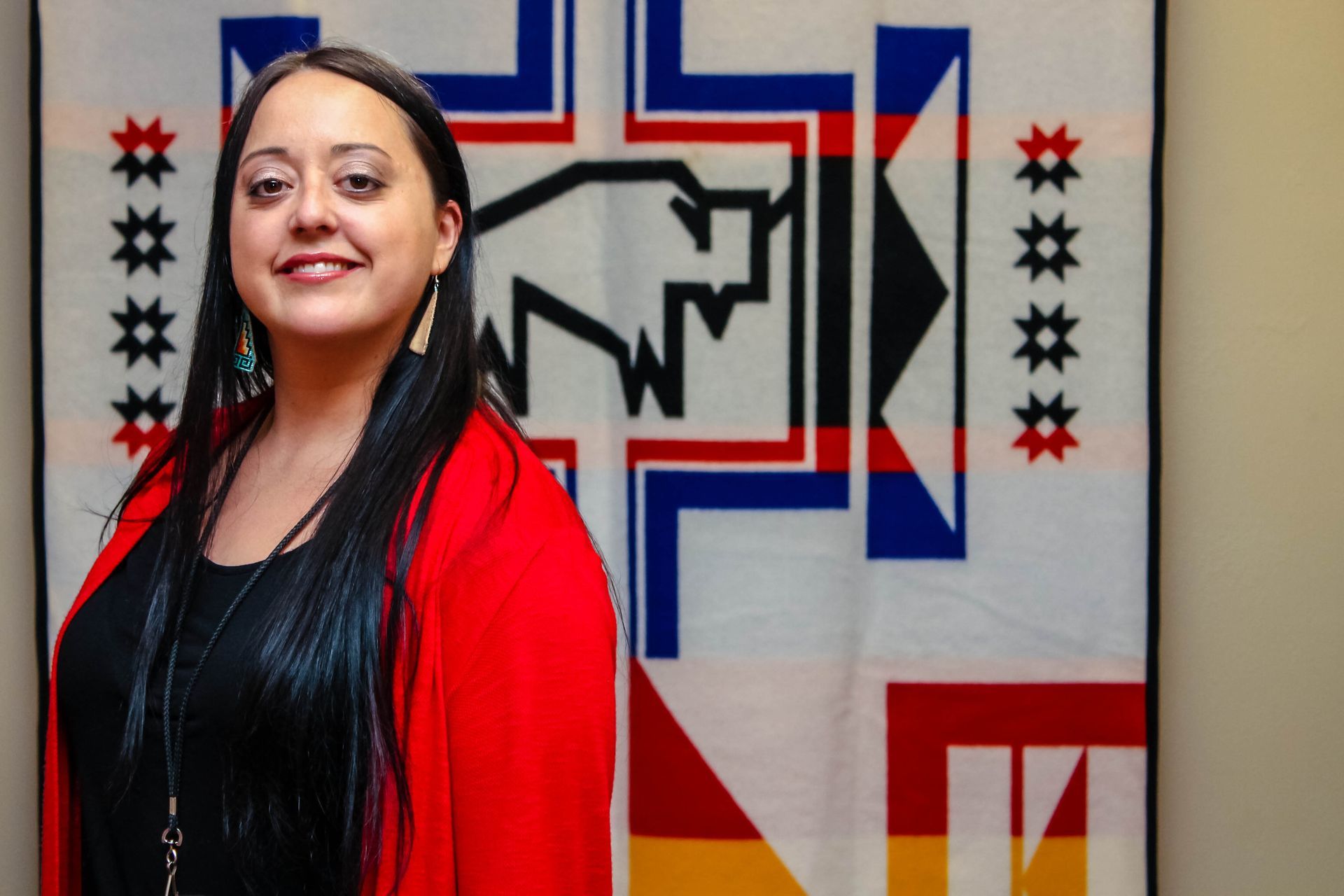
Tamara Henderson (Laguna Pueblo)
Tamara (Laguna Pueblo) has a passion for social justice and organizing to build community power and a passion for youth development and theatre. She graduated from Southern Oregon University (SOU) with a degree in communications and a Certificate in Negotiation and Conflict Management.
At Native American Youth and Family Center (NAYA) She was the Director of Youth and Education for five years before becoming the Chief Operating Officer but got her start in programs where she led the development of NAYA’s College and Career Center. She has served the organization for fifteen years. Tamara also works at Konaway Nika Tillicum, a pre-college program for Native youth at SOU, where she serves as the Assistant Director each summer. She serves on various boards/committees including the Oregon Student Foundation, the Coalition of Communities of Color and is the president of the Oregon Indian Education Association; Tamara also chairs the American Indian/Alaskan Native Advisory Committee for ODE’s Office of Indian Education.
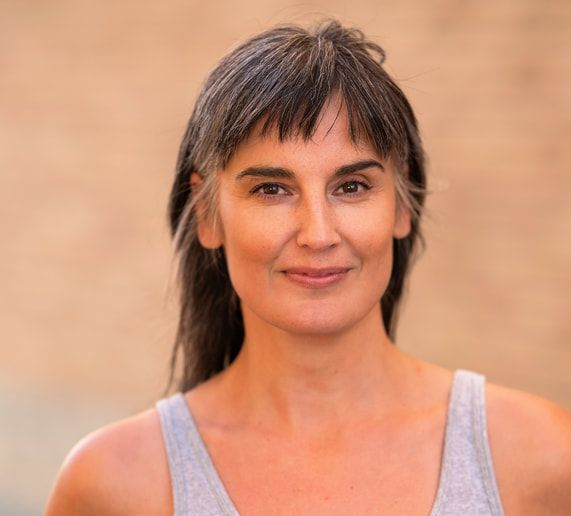
Tanis Parenteau (Métis/Cree)
Tanis is an actor, producer, and associate casting director. She has assisted casting projects at Center Theatre Group, Soho Rep, La Jolla Playhouse, Miami New Drama, The Gotham Film and Media Institute, Tectonic Theater Project, Labyrinth Theater, New Dramatists, Kennedy Center, Nickelodeon, Shakespeare Theater Company, and Playwright’s Center. She also specifically consults on casting Native American roles and is building a robust roster of Native artists and craftspeople, including actors, writers, directors, stage managers, consultants, designers, and crew. She currently works with tbd casting co in NYC. tbdcastingco.com
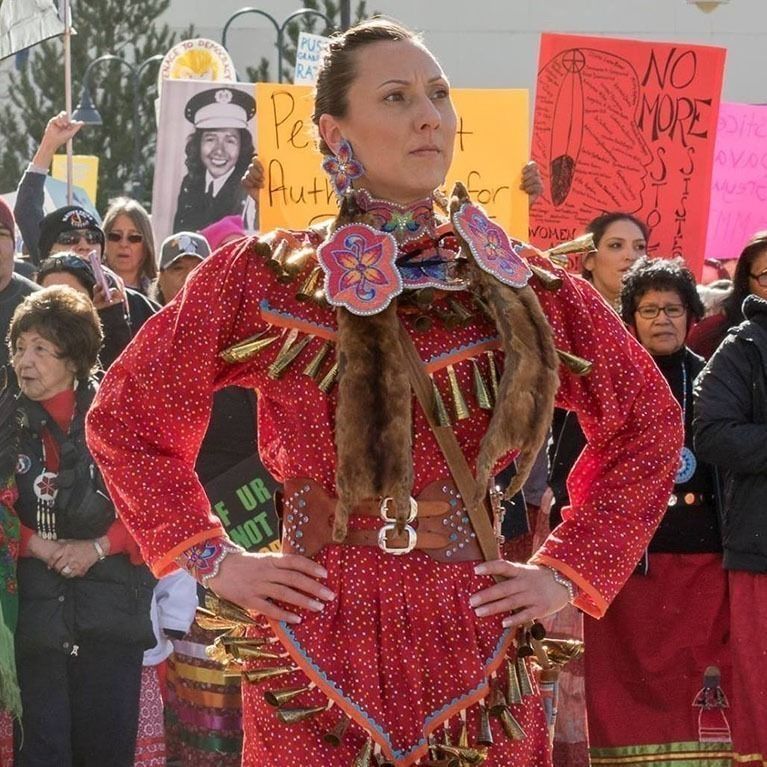
Teresa Melendez (Pokagon Band Potawatomi)
Teresa is a community and political organizer, youth advocate, and Sundancer, dedicated to bridging cultural knowledge gaps and revitalizing Indigenous traditions, ceremonies, and lifeways. She has led initiatives supporting Native youth, including college and career coaching and performing arts programs, and has directed Language & Culture efforts focused on preserving language, traditions, and traditional ecological knowledge. As a lobbyist and Tribal government affairs expert, Teresa partners with Tribal communities to strengthen political and economic power and advance Native priorities. She is deeply committed to organizing Tribes in ways that foster collective healing from historical trauma, ensuring the enduring vitality of Native voices, traditions, and rights.
Staff
Creative Director: Jeanette Harrison (Onondaga)
Jeanette is an actor, director, writer, educator and creative producer who co-founded Alternative Theater Ensemble (AlterTheater) and is the former artistic director of Artists Repertory Theatre. Her extensive stage and screen credits include associate directing the Broadway premiere of The Thanksgiving Play by Larissa FastHorse with director Rachel Chavkin. Jeanette is the creative director of Native Performing Arts Network, dedicated to increasing the visibility of Native stories and Native people by supporting Native artists with community, career, and personal growth opportunities, and by connecting theaters with Native creative leaders.
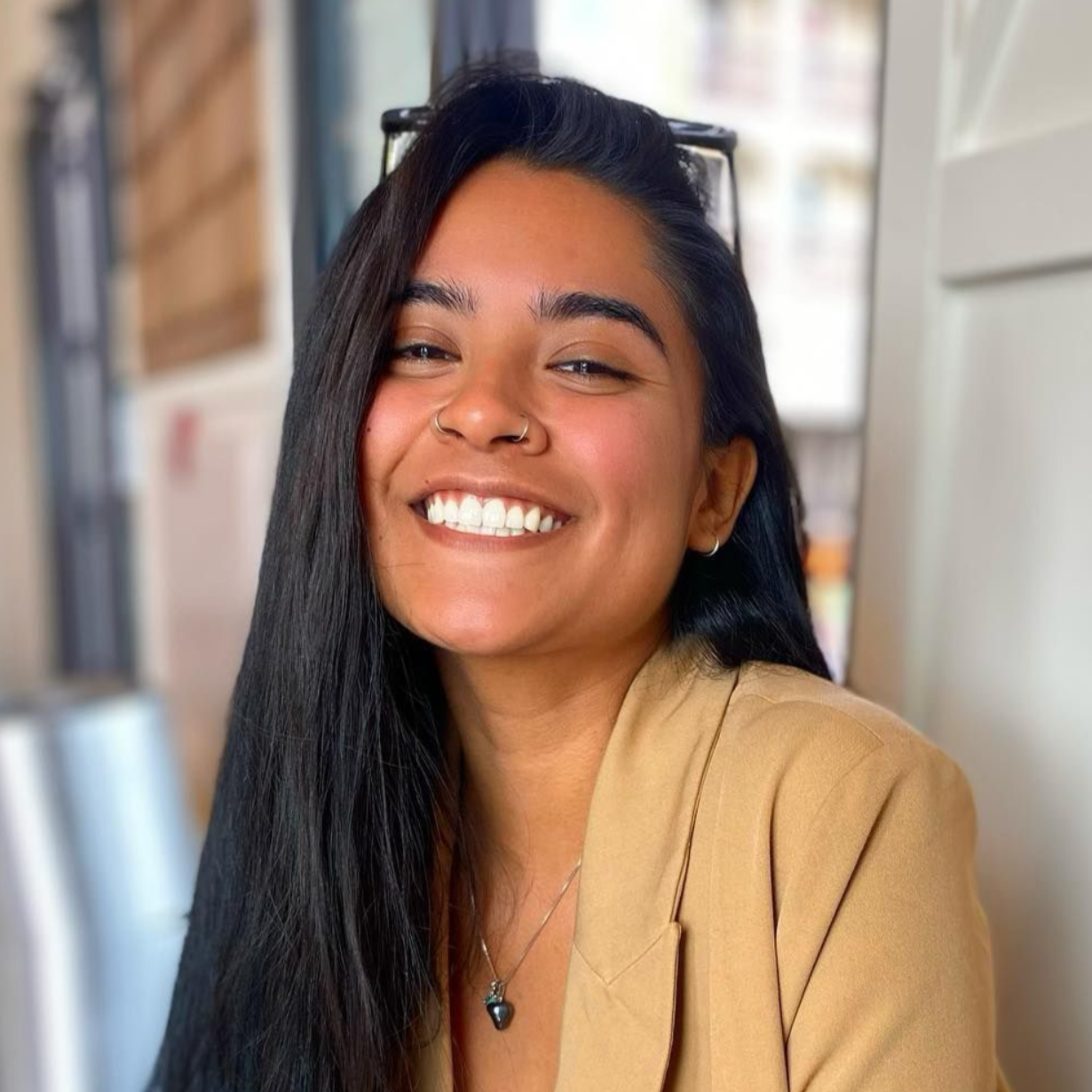
Operations Associate: Marissa Sanchez
Bio to come!
Outreach & Arts Education Coordinator: Tanis Parenteau (Métis/Cree)
Tanis is an actor, producer, and associate casting director. She has assisted casting projects at Center Theatre Group, Soho Rep, La Jolla Playhouse, Miami New Drama, The Gotham Film and Media Institute, Tectonic Theater Project, Labyrinth Theater, New Dramatists, Kennedy Center, Nickelodeon, Shakespeare Theater Company, and Playwright’s Center. She also specifically consults on casting Native American roles and is building a robust roster of Native artists and craftspeople, including actors, writers, directors, stage managers, consultants, designers, and crew. She currently works with tbd casting co in NYC. tbdcastingco.com