Broadcast: Friday, June 12
Hillsboro’s Native Performing Arts Network and Bag&Baggage Productions stage the erstwhile Oregon writer’s Indigenized adaptation of ‘Antigone.’
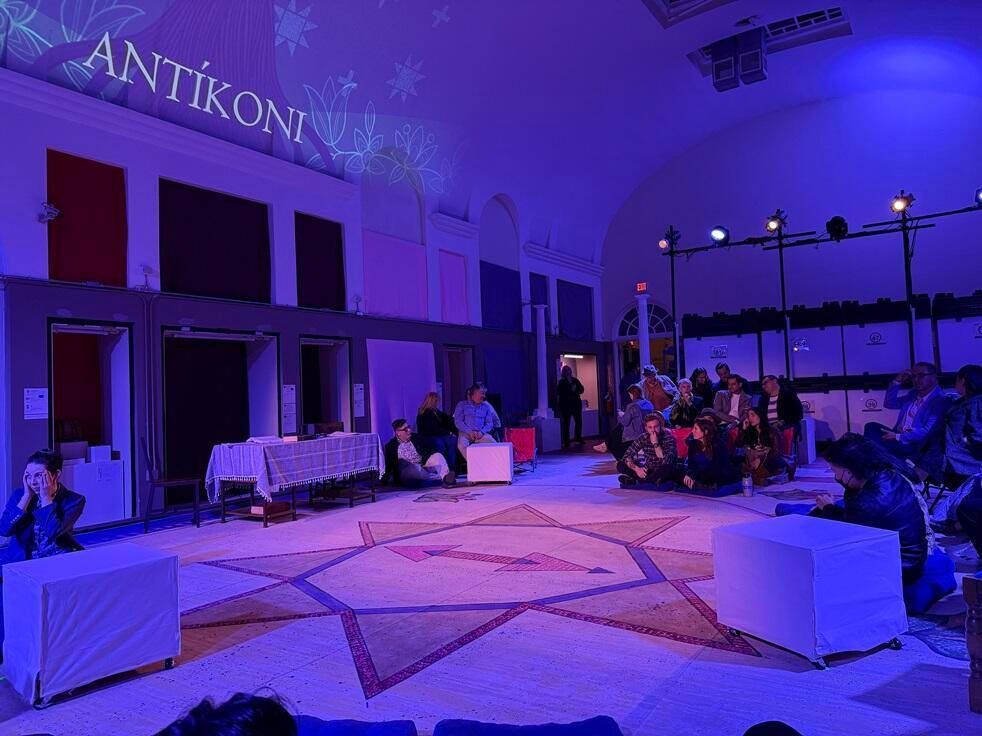
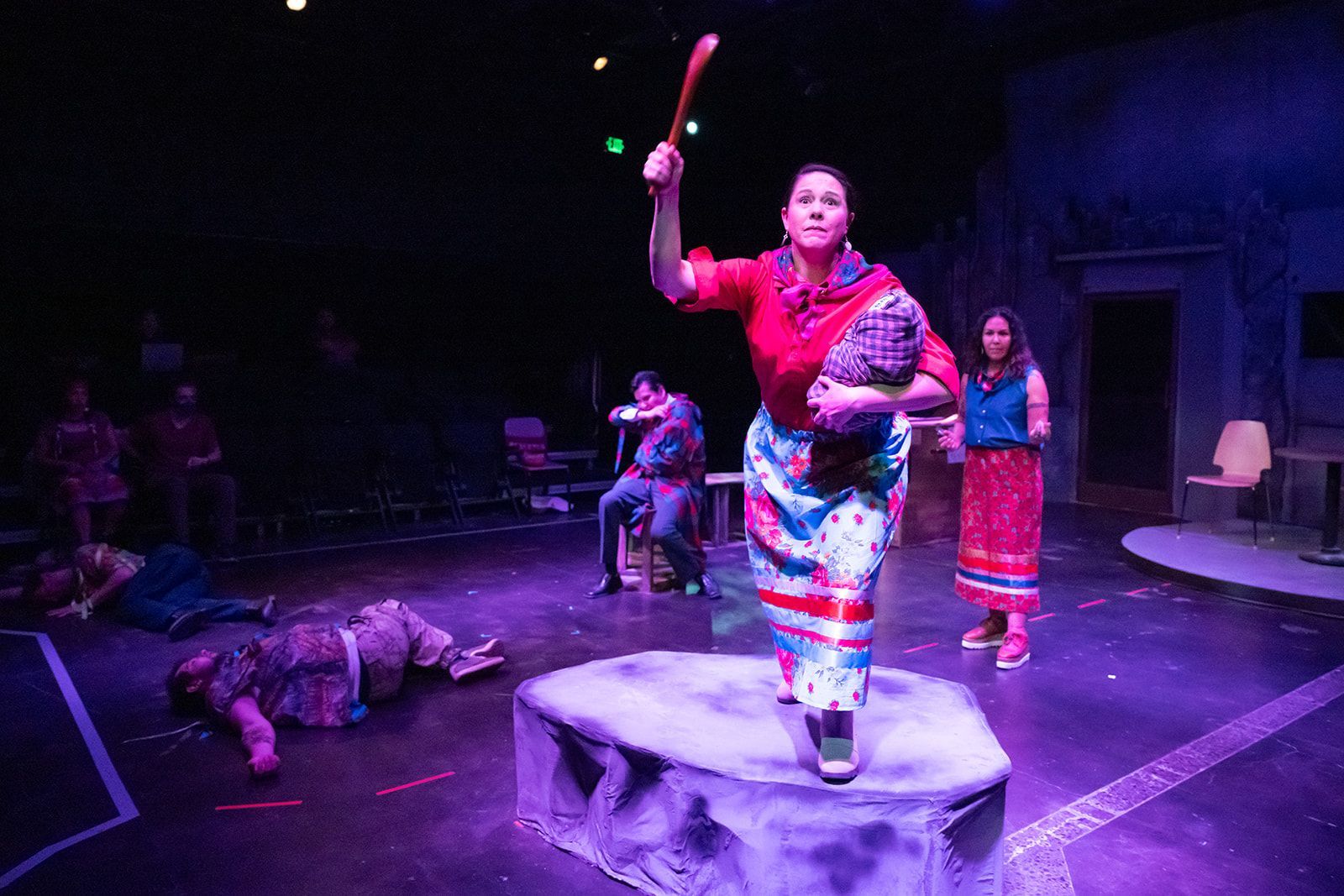
Beth Piatote's Nez Perce reimagining of Antigone will be directed by Jeanette Harrison at the Vault Theater.
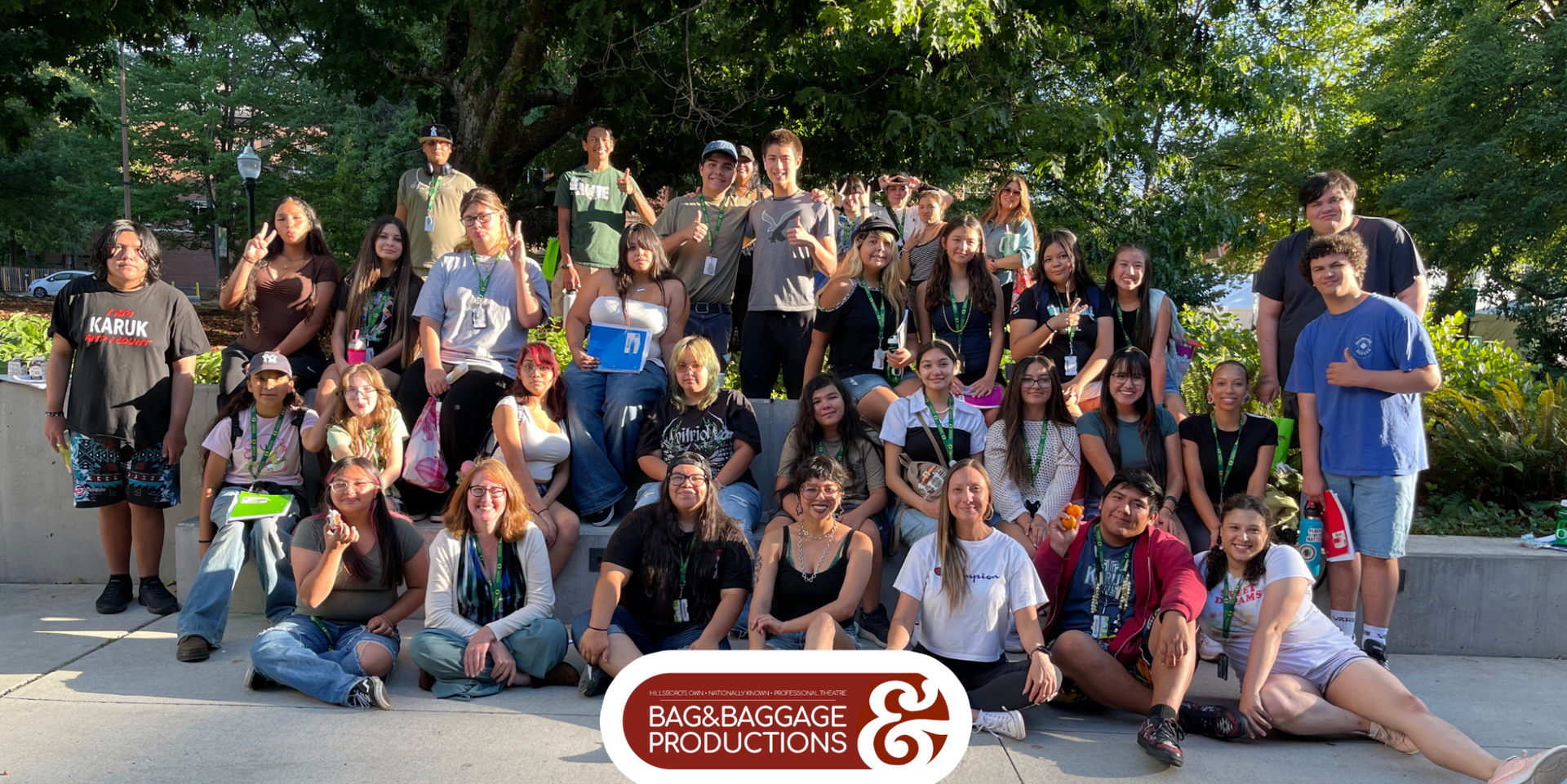
Since 2021, high-school aged Native American youth from Oregon and beyond gather for a week at a performing arts camp with their peers. The program, Arts Learning Project for Native Youth or ALP4NY, run by Bag & Baggage Productions, gives students instructions in acting and writing with additional electives depending on their interests. It exposes them to a wide variety of skills in the performing arts, provides them with training, and facilitates relationships with professionals working in the arts. This is a unique opportunity for these students. One 2019 study found that 25% of Indigenous students don’t have any arts instruction at all, a number that’s worsened since the pandemic and the closure of many arts programs.

HILLSBORO, ORE (March 16, 2026) – Native Performing Arts Network announces the cast for its next production, the Pacific Northwest premiere of Antíkoni by Beth Piatote. The final show of Bag&Baggage’s 2025/2026 season, this co-production is a bold and urgent reimagining of Sophocles’ Antigone, framed through a Native American perspective. Set within a museum filled with Indigenous belongings in a near-future world where Nationalists have seized power, a Nez Perce family is caught between the demands of modern survival and the sacred traditions they are determined to uphold. At the heart of the conflict is Kreon, a Native museum curator who complies with the new regime to protect his position, and his niece Antíkoni, who refuses to let go of her people’s truth—risking everything to honor what is sacred. This co-production between Native Performing Arts Network and Bag&Baggage is an investigation of resistance, ethical duty, and the enduring struggle to protect history, identity, and sovereignty.
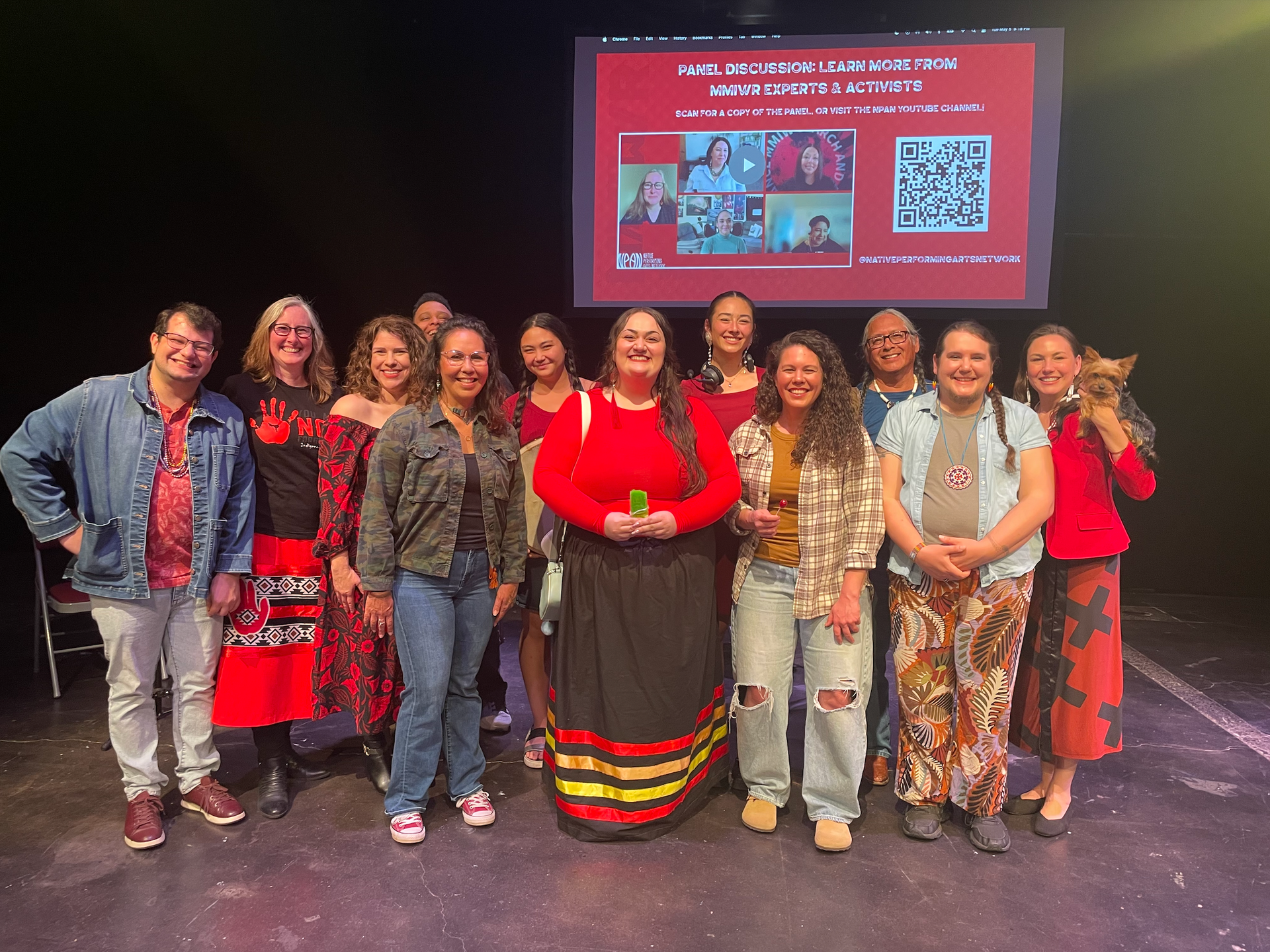
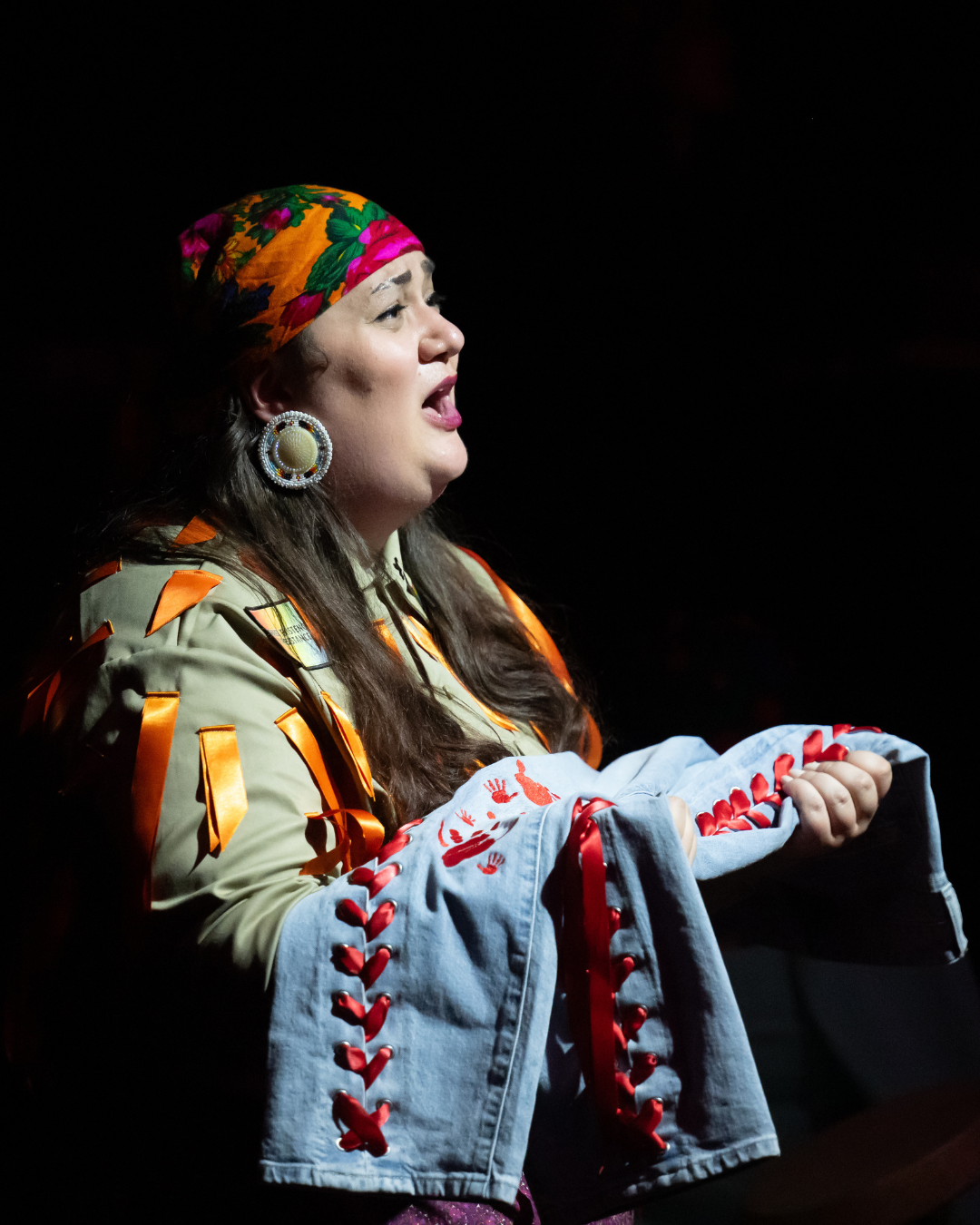
NPAN’s reading of Cherokee playwright DeLanna Studi’s new ‘I is for Invisible’ highlighted national commemoration of missing and murdered Indigenous women.
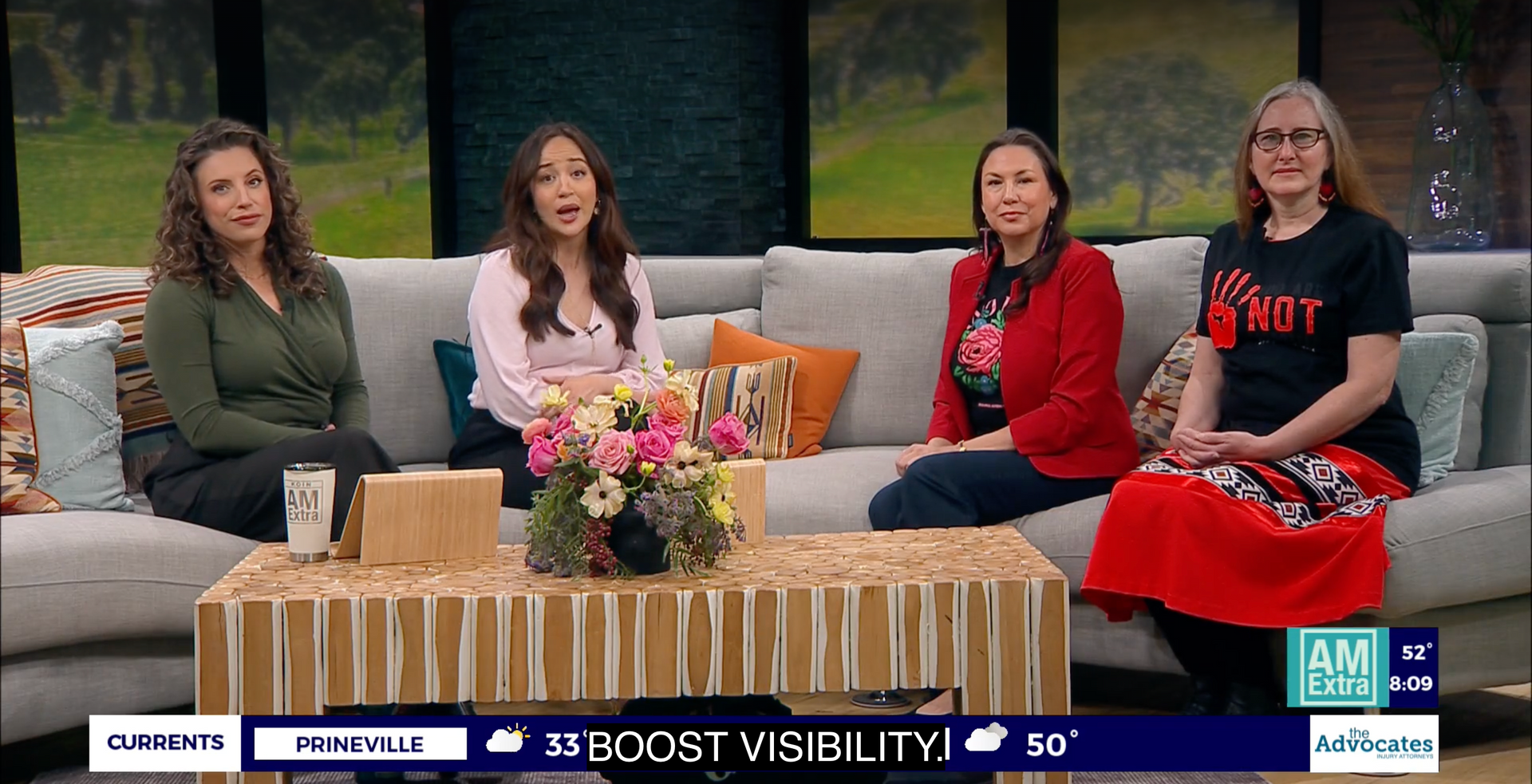
PORTLAND, Ore. ( KOIN ) – A local performing arts group is stepping up as part of a movement to raise awareness for National Day of Awareness for Missing and Murdered Indigenous Women and Relatives (MMIWR). Hillsboro-based Native Performing Arts Network will present the play ‘ I is for Invisible ’ by Cherokee playwright and actress DeLanna Studi. The group is inviting theatres of all sizes, universities and other organizations to participate in the national day of action on May 5. Studi joined us on AM Extra, along with Jeanette Harrison, director and founder of the Native Performance Arts Network, to share the significance of this effort and to dive into the what the featured play is about.
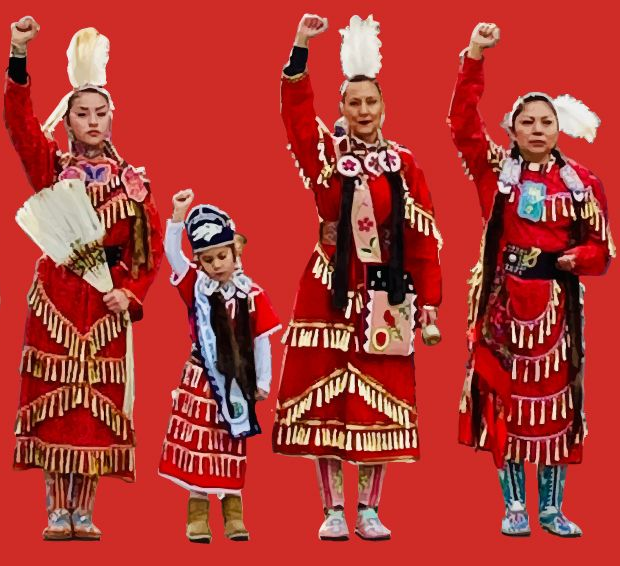
Native Performing Arts Network (NPAN), a new national home dedicated to Indigenous stories, artists, and youth, is proud to announce the plays by Indigenous writers selected for its National Day of Theater Readings for Missing and Murdered Indigenous Women and Relatives (MMIWR). On May 5, 2026, theaters and universities nationwide will host staged readings, with additional events planned around that date, to raise awareness about the ongoing crisis of violence impacting Indigenous communities.
Arena Stage, Mosaic Theater Company, Theater Alliance, and Woolly Mammoth to join in readings of plays by Native American writers that address the crisis of violence facing Indigenous people in the Americas.

Theatres are stepping up for a national series of play readings by Indigenous writers, set for May 5, 2026, National Day of Awareness for Missing and Murdered Indigenous Women and Relatives.